
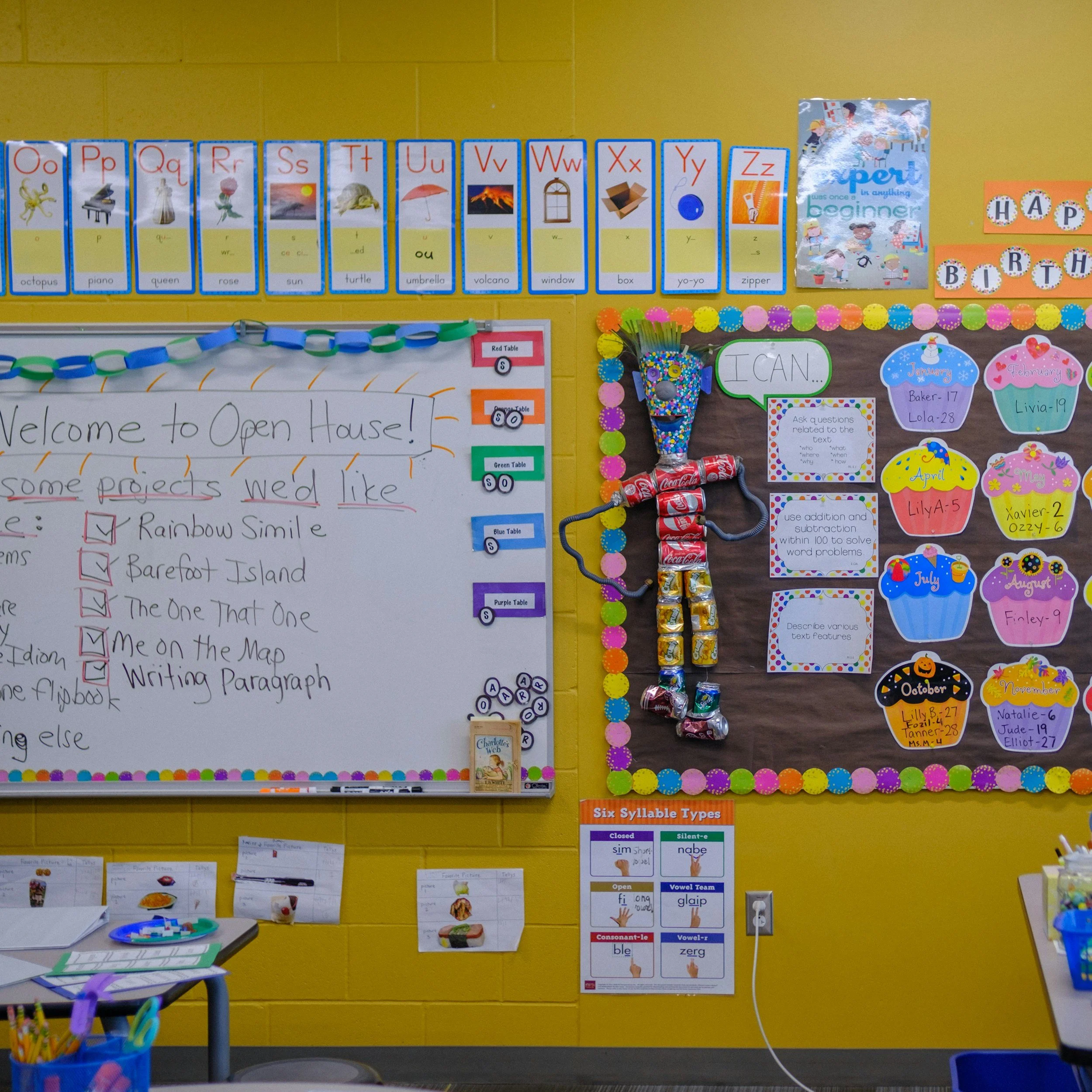
Throughout my ten years as a teacher, I was torn between targets, data, and what I knew children in front of me needed. I left the classroom because I believe understanding has to come before strategy. If you're just starting to look for answers, or you've stopped believing anything will help, this is for you.
Why I left the classroom
I'm Ruth. I spent ten years teaching in the classroom, and I've worked with children, young people and their families for 21 years.
When I first started teaching, there was room to be curious about how each child's brain worked. Then a politically driven shift moved schools away from child-centred practice, and children were done to, not worked with.
Schools are judged on academic outcomes, and that often creates a culture where attendance and achievement come before children's psychological safety and wellbeing. None of this is teachers' fault. They're still interested in how children's brains work; they just aren't given the time or capacity to shape their teaching around each child. I left so I could work with children one at a time, starting with understanding.
Why understanding comes first
When I found out I'm autistic, a lot of my own life suddenly made sense. I spent months researching and reading to understand my own brain, and eventually worked with a neurodivergent coach who helped me find what worked for me.
Now I work one-to-one with neurodivergent young people aged 9 to 19 who are finding school and life really hard right now. I don't have a set programme. I listen, get curious about how your child's brain works, and we work together to figure out what would make things easier.
What coaching is, and what I offer
Coaching gives your child a trusted adult who helps them understand how their brain works. It's not a parenting course, and it isn't about your parenting. You know your child better than anyone. I work alongside you and give your child a space that's theirs.
I'm a coach, not a therapist or psychologist, and I don't diagnose. If your child needs clinical support, I'll say so and point you in the right direction.
Sessions belong to your child. I'll share what's helpful with their permission, because they need to know it's a safe space to be themselves.
How we start
A free chat first. We'll have a proper conversation about your child and what they need. If I'm not the right person, I'll tell you honestly and help you find the right person.
Ways to work together
There's no set order. After our chat, we'll choose the option that fits your child right now.
The Signpost Session: two hours, with time for your child and then time for you. You'll get a summary within 48 hours, with action points for school and home.
Steady Through: six sessions for a child who needs support through a tricky time.
The Gentle Path: twelve weekly sessions for a child who needs more support and help coming back to themself.
You'll speak to me directly, not a booking team. Your child sees the same person every session. Sessions are face-to-face in Tunbridge Wells, or online if that suits your child better.
Qualified teacher. Level 4 child and adolescent mental health coach. Autistic myself.
Five places to start
These aren't another timetable. Every child is different, so take what fits and leave the rest.
1. Start with the need, not the label
"We're still waiting for an assessment. Can we get help now?"
School support should follow your child's needs, not wait for a diagnosis. Notes on what you see give school something specific to work with.
Try this week: jot down what's hard, when it happens, and what helps. Share it with the SENCO and ask what support they can put in place now. For impartial advice, contact your local SEND information and advice service (SENDIASS).
2. Notice the after-school crash
"They're fine at school, then fall apart at home."
Some children hold it together all day and let it out where they feel safest. That isn't a sign you've got it wrong. It can mean home is where they feel safe.
Try this week: keep the first hour after school quiet—no questions about the day, just a snack and some space.
3. Ease the pressure when things are hard
"Every morning is a battle, and school feels impossible."
When your child is running on empty, more pushing rarely helps. Fewer demands and more time side by side can help things settle.
Try this week: pick one demand you can drop for now. Spend time next to your child without needing anything from them, on a walk, in the car or watching a show.
4. Notice what helps, rather than asking
"I've read everything, and I still don't know what my child needs."
For an overwhelmed child, questions can feel like one more demand. You can learn a lot by quietly noticing what settles your child and what drains them.
Try this week: notice when your child seems most at ease. Where are they, who's around, and what are they doing? When you want to connect, try a statement instead of a question: "I'm making hot chocolate if you'd like one."
5. Find someone to share the weight
"I feel like I'm the only one dealing with this."
You don't have to carry all of this alone. Many parents quietly carry the research, the calls, and the worry.
Try this week: tell one person how things really are: a friend, a local SEND parent group or someone you trust.
Where to go from here
Whether you're waiting for answers or you've had a diagnosis and still feel stuck, you don't need to work it all out alone. Notice what's hard, ease what you can, ask your child, and share the weight.
Getting the right support isn't giving up. It's refusing to.
If you'd like to talk it through, start with a free chat. Together, we'll figure out which support fits your child right now: the Signpost Session, Steady Through, or The Gentle Path. Book the free chat here: Free Discovery Call. There's no set order. We start wherever is right for your child.
And I'd love to hear from you. What's the one question you wish someone would answer? Reply and let me know. Your reply might shape a future post.
Ruth